
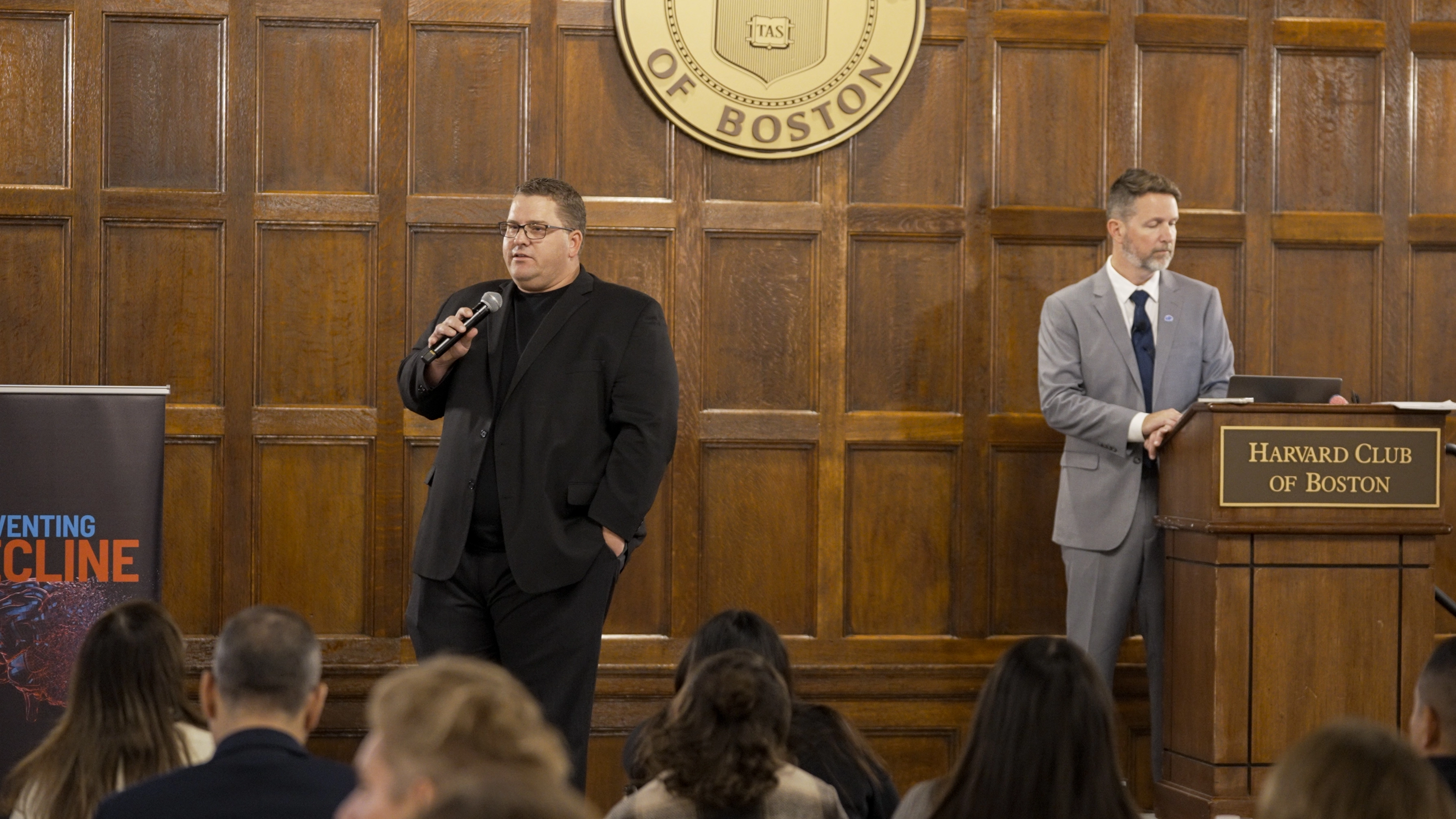
In the rapidly evolving field of audiology, where over-the-counter (OTC) hearing aids and third-party payers are reshaping the competitive landscape, traditional hearing aid sales-driven approaches are becoming less effective. Jared Brader, MBA and Dr. Keith Darrow of AudExperts advocate a transformative philosophy: to increase hearing aid sales and grow audiology practices, professionals must shift from selling hearing aids to educating patients and fostering health literacy. This approach, rooted in empathy and trust, not only enhances patient outcomes but also drives sustainable practice growth different from over the counter options.
Drawing from their personal experience growing from one location to 20+, this blog explores how their philosophy, supported by Dr. Darrow’s patient education books, redefines patient care and offers practical strategies for implementation that have been proven successful in over 225 practices around the world.
The Problem with Selling
Audiology faces a persistent challenge: a treatment rate (sales rate) of approximately 17% for a major medical condition affecting 42+ million Americans. Brader and Dr. Darrow attribute this low rate to outdated marketing tactics that prioritize immediate sales over patient engagement, often referenced as spike marketing. As Brader noted, many practices rely on one-off mailers or generic ads that fail to connect with the 83% of patients who require nurturing over a seven-to-ten-and sometimes 20 year journey before seeking treatment after first experience damage to their auditory system. Dr. Darrow emphasized, “Most people don’t like hearing aids,” but they value the emotional and social reconnection that treatment provides and they can benefit from the preventative benefits of treatment.
This disconnect arises from a sales mindset that treats hearing aids as products rather than solutions to a medical condition. Patients often perceive audiologists as “hearing aid salespeople” rather than trusted medical professionals, leading to hesitation and delayed action. Brader’s personal experience—witnessing his grandmother’s poor experience at a hearing healthcare practice—highlighted the need for a new approach. By focusing on education and health literacy, audiologists can address patients’ fears, emotions, and misconceptions, building trust and increasing treatment uptake.
The Philosophy: Education and Health Literacy as the Foundation
Brader and Dr. Darrow’s philosophy centers on empowering patients through education, positioning audiologists as authoritative guides in the journey to better hearing. Dr. Darrow’s patient education books, such as Stop Living in Isolation, Preventing Decline: Advances in the Medical Treatment of Hearing Loss and Tinnitus, Silenced: The Medical Treatment of Tinnitus, Quiet: Living with Less Noise, Adding Life to Your Years, Healthy Food Healthy Brain, and Don’t Let Them Live in Isolation (a family edition), are pivotal tools in this approach. These Amazon best-sellers provide accessible, science-backed information to help patients and families understand hearing loss and its impact, fostering informed decision-making. This philosophy is built on three core principles:
1. Understand the Patient Journey: The average patient takes seven to ten years to seek treatment due to emotional, financial, or informational barriers. By recognizing this extended timeline, audiologists can create marketing and engagement strategies that nurture patients over time, rather than expecting immediate action.
2. Provide Educational Resources: Instead of pushing for a sale, offer resources like Dr. Darrow’s books, white papers, or symposiums that answer common questions and address concerns. For example, Stop Living in Isolation addresses the top 20 patient questions, helping individuals understand hearing loss as a treatable medical condition linked to cognitive, social, and emotional health. These resources prepare patients to make informed decisions, reducing barriers to treatment.
3. Build Trust Through Empathy: Patients are more likely to engage with providers they trust. By offering non-binary options—such as requesting a free book, attending an online symposium, or booking an appointment—audiologists can meet patients where they are, fostering a relationship that leads to informed decision-making.
This philosophy aligns with the concept of health literacy, which empowers patients to understand their condition and treatment options. By educating patients about the profound impacts of untreated hearing loss—such as
increased risks of dementia, depression, falling, tinnitus and social isolation—audiologists can shift the narrative from selling a device to providing life-changing transformative medical care.
Practical Strategies for Implementation
Brader and Dr. Darrow have implemented this philosophy through five key systems, with education and health literacy as the cornerstone. Below are practical strategies to integrate this philosophy into your practice, leveraging Dr. Darrow’s patient education books:
1. Distribute Educational Content: Use Dr. Darrow’s books, such as Preventing Decline or Silenced, as lead generation tools to pre-educate patients before their first appointment. AudExperts, and over 225 member locations, distributes thousands of these books via priority mail, helping patients understand hearing loss and tinnitus at home. Encourage your team to develop or adapt similar resources tailored to your practice’s expertise, as AudExperts has done with 50+ other practice owners, audiologists, and specialists across the U.S.
2. Leverage Multi-Step Marketing Campaigns: Move away from one-off mailers and adopt a “funnel” approach that guides patients through a journey of awareness, education, and action. Offer low-commitment entry points, such as free copies of Stop Living in Isolation or online symposiums, to engage the 65% of patients who are not yet ready to book an appointment. Brader emphasized that this widens the funnel, reaches more patients, and increases your marketing and lead generation allowing practices to reach untapped markets.
3. Train Your Team for Empathy and Education: Ensure your front desk and clinical staff are trained to discuss Dr. Darrow’s books and other resources with empathy, focusing on education rather than sales. Dr. Darrow stressed the importance of practicing until the team “doesn’t get it wrong,” ensuring phone teams can confidently handle inquiries about their medical conditions, symptoms, and both short and long term outcomes. This builds trust and prepares patients for meaningful consultations.
4. Use Automation with both AI and a Human Touch: Implement a patient relationship management system to maintain long-term engagement, using Dr. Darrow’s books (or your versions) as a
foundation for content. Brader and Dr. Darrow’s system employs multi-channel communication—text messages, emails, voicemails, and postcards—to nurture patients over the seven plus-year journey. Together, they built AudiologyIntelligence.com the first and most comprehensive patient nurture system integrating AI that still involves a human connection, achieving a 54% email open rate and 15% click-through rate.
5. Address Affordability Through Education: Financial barriers often deter patients. Their affordable monthly treatment plans, a subscription-based financing model, educates patients about accessible payment options, ensuring those with poor or no credit can afford premium treatments. By transparently explaining financing upfront alongside educational resources like The Truth About Medicare and Insurance, practices can remove objections and reinforce trust.
Real-World Impact: Stories of Transformation
The impact of this philosophy is evident in real patient stories. Dr. Darrow shared the example of a patient who attended a symposium at the Worcester Art Museum and sought treatment nearly four years later, demonstrating the power of sustained education through resources like his books. Another patient attended multiple symposiums over two years before taking action, highlighting the importance of a wide and long funnel. These stories underscore that educated patients, empowered by books like Stop Living in Isolation, are more likely to act when they trust their provider, often reducing the seven-to-ten-year delay to three or four years.
In practice, this approach has driven significant results. Brader’s clinics grew from $432,000 annually to over $15million in treatment revenue, while their private clients collectively generated $343 million using these systems. Their tinnitus campaign, supported by Silenced: The Medical Treatment of Tinnitus, added $1 million in annual revenue by addressing an underserved patient need, proving that education can unlock new markets.
The Path Forward: Building a Legacy of Care
Brader and Dr. Darrow’s philosophy, amplified by Dr. Darrow’s patient education books, is not just about increasing treatment rates; it’s about redefining audiology as a patient-centered, value-driven profession. By prioritizing education and health literacy, audiologists can differentiate
themselves from competitors, including OTC providers and corporate stores. This approach aligns with their vision of serving all 42 million Americans with hearing loss, ensuring that no patient is left behind due to lack of understanding or access.
The key to selling more hearing aids lies in abandoning the hard sell and embracing education and health literacy. Jared Brader and Dr. Keith Darrow’s philosophy at AudExperts, supported by Dr. Darrow’s transformative patient education books, offers a roadmap for audiology practices to thrive in a competitive landscape. By understanding the patient journey, providing resources like Stop Living in Isolation, and building trust through empathy, audiologists can transform lives and practices alike. As Dr. Darrow stated, “We don’t sell hearing aids; we medically treat hearing loss and tinnitus which is preventative healthcare.” This mindset, backed by proven systems and authoritative educational tools, is the future of the audiology profession. Click here to join the movement; Protect and Propel Your Practice Today!