From Transactional Sales to Lifelong Patient Journeys
By Jared Brader, MBA and Keith Darrow, Ph.D., AuDExperts
In the field of audiology, the traditional approach to patient care has long emphasized the initial fitting of hearing aids as the culmination of the treatment process. However, this perspective overlooks the profound opportunity to foster enduring relationships that enhance patient outcomes and practice sustainability. Drawing from our extensive experience at AuDExperts and the Hearing and Brain Centers, we advocate for a paradigm shift from transactional interactions””where hearing aids are treated as mere commodities””to transformational healthcare models that prioritize ongoing engagement, education, and preventive medicine. This approach not only aligns with the principles of primary care but also addresses critical shortcomings in patient retention and satisfaction within private audiology practices.
Consider the story of Jared’s grandmother, an 82-year-old woman who sought hearing aid treatment 15 years ago. After an $8,000 investment in her devices, she was scheduled for just three follow-up appointments before being essentially dismissed with a cursory “good luck.” This experience left her feeling abandoned, highlighting a common pitfall in audiology: viewing the fitting as the endpoint rather than the beginning of a comprehensive care journey. Such scenarios are not isolated; they reflect a broader industry challenge where patients are often left to navigate their hearing health independently, leading to suboptimal outcomes and diminished trust.
On the practice side, statistics paint a stark picture of the consequences of this transactional mindset. It is estimated that approximately 50% of patients in private audiology practices purchase their second set of hearing aids from a different provider. This figure rises to 80% for those who initially bought at big-box retailers like Costco, where the emphasis is squarely on product sales rather than personalized care. In contrast, only 10% of Americans voluntarily switch their primary care physicians, despite widespread complaints about the healthcare system. These disparities underscore audiology’s underperformance in building loyalty, with private practices outperforming Costco by only about 30% in retention rates. At the Hearing and Brain Centers, however, we have achieved retention rates of 75-80% for upgrades or updates four years post-fitting, a metric we have tracked diligently for the past seven years since implementing our monthly treatment plans.
This success stems from recognizing that hearing healthcare must emulate the transformational model of primary care rather than the widget-based sales of consumer goods. Keith offers a personal analogy: as consumers, we exhibit little loyalty when purchasing everyday items like coffee or mattresses, switching providers based on convenience or deals. Similarly, when hearing aids are positioned as replaceable products””marketed with promotions like “buy one, get one free” or “$500 off”””patients treat them as such, seeking the next bargain elsewhere. To counter this, practices must transition to transformational care, where the initial fitting marks the start of a lifelong journey focused on addressing not just hearing loss but also associated risks such as cognitive decline, tinnitus, and overall well-being.
One compelling example comes from a member of our AuDExperts community who reported 300% growth in just five months after shifting from a “test-and-go” model to a treatment-focused mindset. This transformation involved cultivating a practice culture that emphasizes patient relationships over isolated transactions, resulting in benefits for both patients and providers. In high-volume hospital settings, where providers are often constrained to rapid testing without time for relationship-building, such outcomes are rare. Private practices, however, possess the flexibility to engage patients more deeply through regular follow-ups, referrals, and holistic interventions.
To facilitate this shift, we have developed a robust system of patient touchpoints and educational resources. Traditional models might offer only three initial visits followed by annual check-ins, yielding perhaps four interactions per year. This pales in comparison to the barrage of marketing materials patients receive via mail””often more frequent and influential than their interactions with their audiologist. Our approach counters this with 368 automated touchpoints annually, integrated with AI-driven systems that nurture relationships, enhance average selling prices (ASP), boost value propositions, improve outcomes, and reduce return rates.
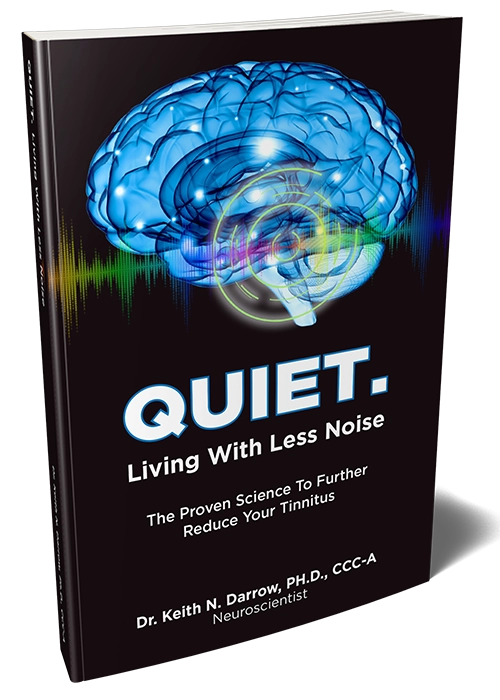
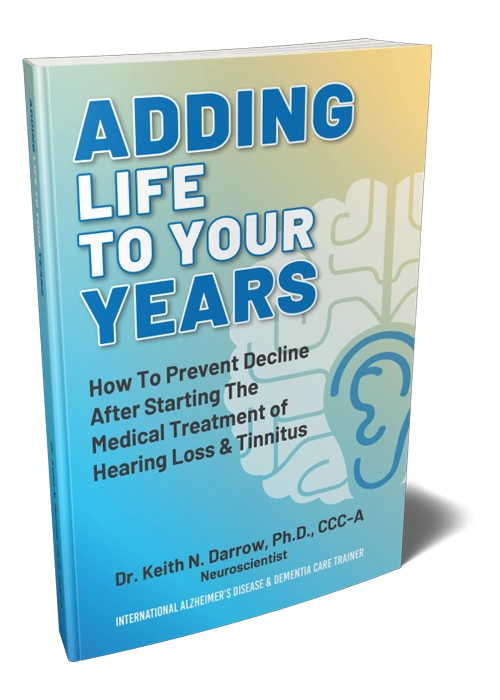
Building on this foundation, we introduced specialized post-treatment resources””though we now prefer the term “ongoing treatment journey” to emphasize continuity. Keith’s books, Adding Life to the Years for hearing loss patients and Quiet: Living with Less Noise for those with tinnitus, were created to elevate health literacy and reframe hearing care as medical treatment rather than a one-time purchase. These resources educate patients on topics beyond amplification, including cognitive rehabilitation, sleep hygiene, relaxation techniques, and yoga. Complementing these are digital tools like the Preventing Decline app, which provides cognitive training, nutritional support, and access to health coaches.
In our practices, integration of these elements has yielded measurable results. For instance, we now employ in-person health coaches, such as Kevin Weston in our St. George locations, who meet patients immediately after their fitting to guide them through personalized wellness plans. This handoff has demonstrably improved health outcomes, lowered device return rates, increased patient referrals, and boosted Google reviews. It exemplifies how extending care beyond the booth fosters a sense of partnership and accountability.

Critically, this model challenges superficial claims of “holistic” care. When pressed, many providers describe holism as routine follow-ups, cleanings, and basic screenings””activities we view as comprehensive widget maintenance rather than true preventive medicine. Genuine holism encompasses holistic person care, cognitive care, and preventive strategies that address the broader implications of untreated hearing loss, such as increased risks for dementia and social isolation. For practices in our AuDExperts network””now spanning 225 locations””we encourage customizing these systems, whether through co-authoring educational materials or developing proprietary programs. The key is commitment: without incorporating health literacy tools, videos, symposiums, and patient events, claims of holism ring hollow.
The financial and professional implications are profound. Burnout among audiologists is rampant, exacerbated by reliance on third-party reimbursements and low Medicare rates. Efforts to lobby for incremental increases, such as $8 more per hearing test, offer limited relief. Instead, our model empowers practices to command premium pricing””$8,800 to $10,000 for four years of care””by delivering commensurate value. Breaking it down, this equates to just $2,500 annually for comprehensive preventive medicine, a bargain compared to other healthcare interventions.
To illustrate, consider Bill Forrest, a hearing instrument specialist and disabled veteran from California. Seeking to elevate his practice beyond corporate constraints, he traveled to St. George to immerse himself in our medical model. He departed with actionable insights: acquiring new diagnostic equipment like an OAE machine, updating office posters to reflect a treatment-oriented culture, and even requesting access to our daily team huddles. His focus shifted from battling third parties to prioritizing patient-first care, aligning with our philosophy that ethical practices naturally yield financial sustainability.
For practice owners contemplating this transition, we recommend the following steps to integrate transformational elements:
- Assess Current Retention Metrics: Calculate your patient loyalty rates and compare them to industry benchmarks (e.g., 50% switch rate in private practices vs. our 75-80% retention).
- Implement Multi-Touchpoint Systems: Develop or adopt automated nurture sequences with at least quarterly engagements, incorporating AI for personalization.
- Enhance Health Literacy: Integrate educational resources like books, videos, and apps to empower patients in their journey, focusing on preventive aspects such as cognitive health.
- Incorporate Referrals and Coaching: Establish protocols for referring patients to specialized programs like Preventing Decline and consider in-clinic health coaches for seamless transitions.
- Monitor Outcomes and Adjust: Track key performance indicators, including return rates, referral volumes, review scores, and upgrade percentages, to refine your approach.
- Conduct Financial Projections: Use a spreadsheet to model revenue from 70-80% patient retention over four-year cycles, factoring in $8,500 per upgrade.
By adopting these strategies, practices can achieve robust growth. One long-standing AuDExperts member, despite implementing treatment plans four years ago, reported only 11% annual growth””deemed anemic given the potential for 160-170% increases through sustained patient engagement. The message is clear: treatment does not end at fitting; it begins there, extending into a continuum of care that benefits everyone involved.
In conclusion, the future of audiology lies in embracing transformational healthcare. By moving beyond widget sales to preventive, relationship-driven models, providers can deliver superior patient outcomes while building thriving practices. If you are ready to elevate your approach””whether as a new inquirer or an existing AuDExperts member””we urge you to take action today.
Schedule a consultation with AuDExperts to explore how we can help you improve patient outcomes, deploy innovative transformational marketing strategies, and accelerate the growth of your private practice. Our mentorship has empowered 225 locations to achieve unprecedented success through continuity of care, enhanced education, and value-driven systems. Click the link below or visit our website to book your call now. Together, we can ensure that no patient feels abandoned like Jared’s grandmother and that your practice retains 80-90% of patients for lifelong journeys. Your commitment to excellence starts with this step””let us guide you toward a more impactful and prosperous future in hearing healthcare. Schedule a call today to learn more